Mobile Search Ranking: The Key to Website Success in the Mobile Era

In today's digital landscape, where smartphones have become an extension of our daily lives, mobile search ranking has emerged as a critical factor for website success. Mobile search ranking refers to the position of a website in search engine results pages (SERPs) when searches are performed on mobile devices. With the majority of internet users accessing content via smartphones and tablets, optimizing for mobile search is no longer optional—it's imperative for businesses aiming to reach their target audience effectively.
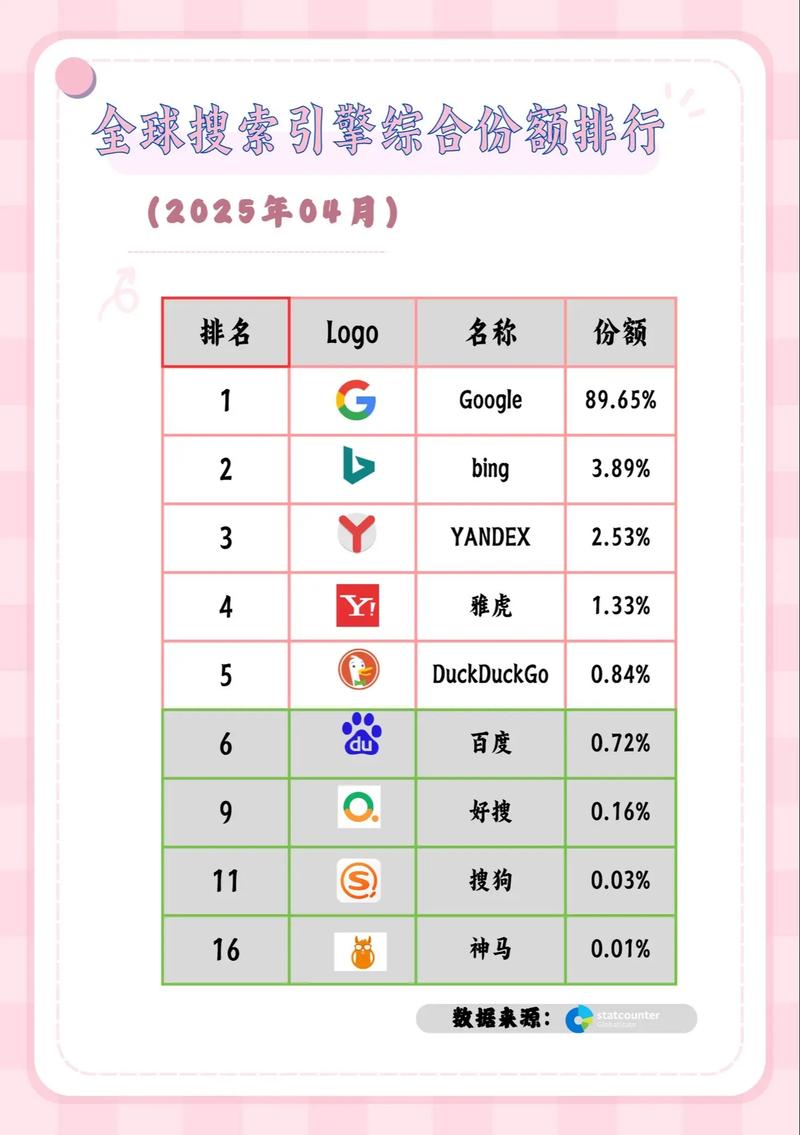
Understanding the significance of mobile search ranking begins with recognizing the shift in user behavior. Google reports that over 60% of searches worldwide are conducted on mobile devices. This statistic underscores the need for websites to deliver an exceptional mobile experience. A high mobile search ranking ensures that your site appears at the top of search results, driving organic traffic, enhancing brand visibility, and ultimately boosting conversions.
The Rise of Mobile-First Indexing
Google's mobile-first indexing, introduced in 2018, marked a pivotal change in how search results are generated. Under this approach, Google predominantly uses the mobile version of a website for indexing and ranking. This means that if your site lacks a responsive design, fast loading times, or mobile-friendly content, its search ranking will suffer. Mobile-first indexing compels businesses to prioritize mobile optimization, as the desktop version is no longer the primary basis for ranking.
Key Factors Influencing Mobile Search Ranking
Several factors determine a website's mobile search ranking. First and foremost is page speed. Mobile users expect instant gratification; if a page takes more than three seconds to load, over half of visitors will abandon it. Google's PageSpeed Insights tool helps identify and fix speed issues.
Secondly, mobile-friendliness is crucial. This includes responsive design, legible text without zooming, appropriately sized tap targets, and avoiding intrusive interstitials. Google offers a Mobile-Friendly Test to assess these aspects.
Thirdly, content relevance and quality remain paramount. High-quality, engaging content that answers user queries quickly is rewarded with higher rankings. Moreover, local SEO plays a significant role in mobile search, as users often search for nearby businesses. Optimizing for "near me" queries, managing Google My Business listings, and gathering positive reviews can enhance local mobile rankings.
Strategies to Improve Mobile Search Ranking
To climb the mobile search ladder, businesses should adopt a mobile-first mindset. Start by ensuring your website is fully responsive, then focus on speed optimization by compressing images, leveraging browser caching, and minimizing JavaScript. Creating mobile-optimized content, such as short paragraphs and easy-to-scan bullet points, improves readability. Additionally, implementing structured data helps search engines understand your content better.
Voice search is another emerging trend. As more users rely on voice assistants like Siri and Google Assistant, optimizing for conversational keywords and natural language queries can give your site a competitive edge.
Conclusion
Mobile search ranking is the cornerstone of digital visibility in the mobile age. Businesses that neglect mobile optimization risk being invisible to the vast majority of potential customers. By embracing mobile-first strategies, enhancing site performance, and delivering valuable content, you can secure a top position in mobile search results, driving sustained growth and engagement. Remember, in the mobile-first world, your website's mobile version isn't just an alternative—it's the primary experience that defines your online success.
如若转载,请注明出处:http://www.zheyanyl.com/product/42.html
更新时间:2026-10-22 10:09:58